A simple weekly rhythm so nothing goes soft and forgotten at the back.
Know What You Have Before You Buy More
The drawer is usually not the problem. The problem is adding to it before you've used what's already there.
One habit fixes most of it: before any shop — market, supermarket, online order — pull everything out and look at it. Take thirty seconds. You'll often find the tail end of a celeriac, two slightly tired carrots, and half a head of fennel you'd completely forgotten. These are not failures. They're dinner, once you see them.
Look for the thing that needs you most, not the thing you feel like.
A useful trick is to put the oldest or most perishable things at the front, right side, every single time. Not filed by type or colour — filed by urgency. The courgette going soft goes front right. The firm new potatoes go in the back left. You'll reach for what needs using first without having to think about it.
If you do a weekly shop, pick one day to do the drawer audit — Sunday evening works well for many households, the night before the new week starts. Empty it, wipe it down if needed (a damp cloth, thirty seconds), and reload it with purpose. This isn't a chore; it's a five-minute reset that saves you money and prevents that low-grade fridge guilt we all know.
Prep a Little, Use a Lot
The single best thing you can do for the week ahead is spend twenty minutes on a Sunday or Monday washing, trimming, and roughly prepping whatever you bought. Not full meal-prep with labelled containers — just the small jobs that make cooking on a tired Tuesday actually happen.
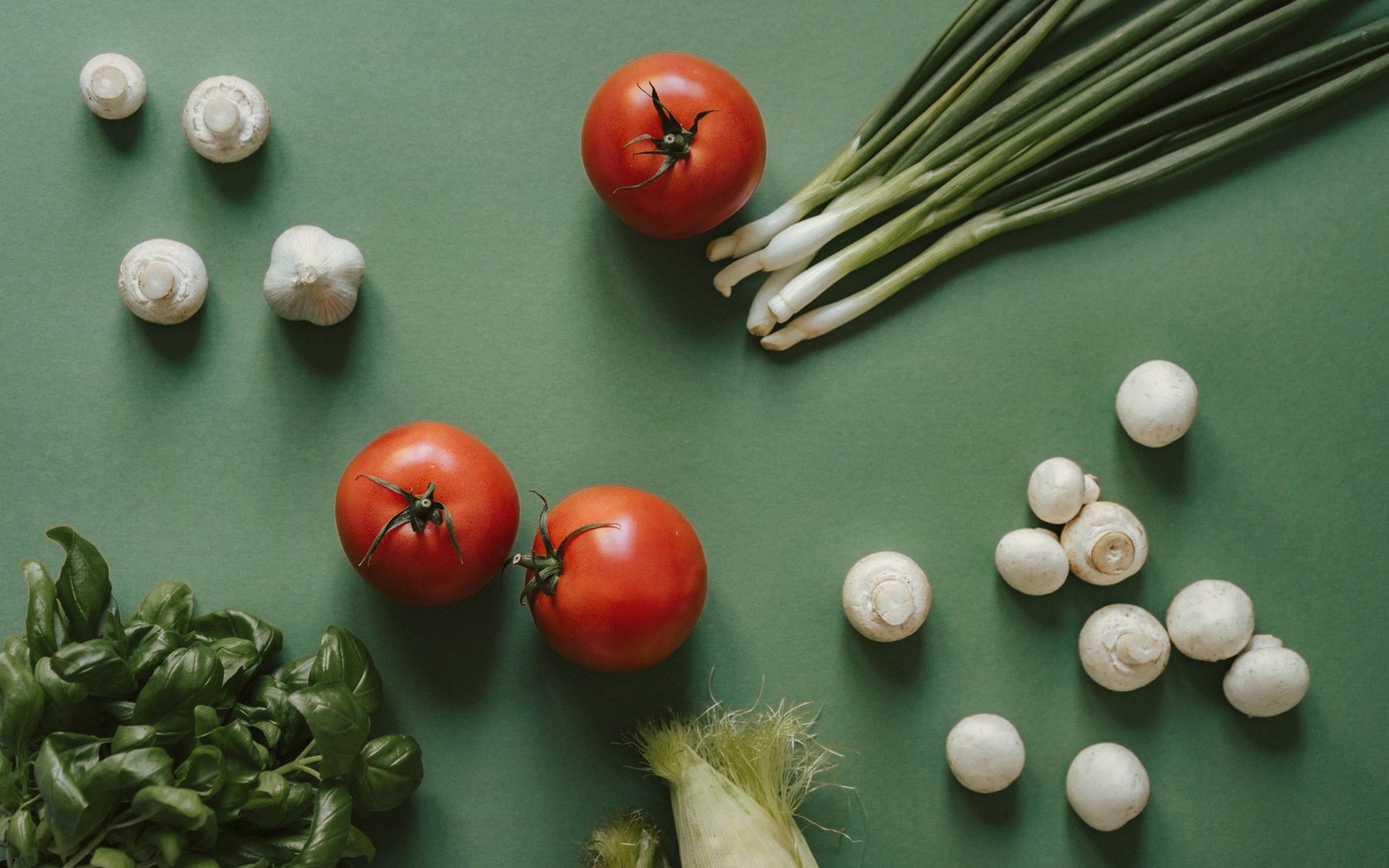
Wash the salad leaves and spin them dry; they'll last days longer in a clean, dry container lined with a piece of kitchen paper. Peel and cube the squash. Strip the outer leaves off cauliflower and break it into florets, then keep it in a bowl uncovered in the fridge where you'll see it. Snap the woody ends off asparagus or beans. Half-done is still progress — these small acts of prep lower the activation energy between you and an actual vegetable on a plate.
Some things genuinely keep better unwashed and whole: potatoes, beets, celeriac. Leave those alone until you need them. But anything leafy, anything you'd have to pick up and process before cooking, benefits from that early attention.
Keep an eye on what cooks quickly and what takes time. Tender greens — spinach, chard, watercress — want using in two or three days. Root vegetables and brassicas like cabbage, broccoli, and kohlrabi are far more forgiving and will sit comfortably for a week or more. Knowing this lets you plan roughly without a rigid schedule: greens in Monday's stir-fry, the robust stuff roasted later in the week.
The Two Rules That Tie It Together
Rule one: cook what's going first, not what you feel like. This sounds obvious but it runs against the grain of how most of us cook. We open the fridge looking for inspiration and reach for the thing that appeals. Flip it: look for the thing that needs you most. A wilting bunch of kale, roasted with olive oil and a little garlic, is often better than whatever you'd have cooked otherwise — and it's gone. A soft pepper blitzed into a quick sauce or folded into eggs takes minutes. Once you train yourself to see near-the-end vegetables as raw material rather than disappointment, the drawer stops being a source of guilt and starts being a starting point.
Rule two: make a weekly habit of a catch-all dinner. One meal a week — Friday soup, a Sunday-night market minestrone, a stir-fry or frittata — designed to sweep up whatever is left. You don't need a recipe for this. You need a method: fat in the pan, aromatics first, then the slower-cooking vegetables, then the quick ones, then something to pull it together (stock, eggs, cooked grains, a tin of beans). Every household that wastes little food tends to have some version of this ritual, even if they don't call it that.
Neither rule requires planning in any onerous sense. Together they give the week a loose shape: buy with intent, prep a little early, cook urgency first, and close the week with a drawer-clearing meal. The drawer stays honest. The food gets eaten. Nothing reaches the back and quietly gives up.
One last thing: don't buy more variety than you can genuinely use. Three vegetables you'll cook confidently all week long beat seven types you feel vague about. A drawer with fewer, better-used things in it is a better drawer. That's the whole system.