A forgiving pot built for whatever's in the vegetable drawer — and better the next day.
The Idea
Minestrone is not a recipe. It's an approach — a way of looking at the vegetable drawer on a Thursday and seeing dinner rather than a problem. The word itself comes from the Italian minestra, meaning simply "that which is served," and cooks across northern and central Italy have been filling the pot differently every season, every week, for centuries. There is no definitive version. That is exactly the point.
The structure is reliable: soffritto, stock, something starchy, something green, something to finish. Within that, almost everything is negotiable. The recipe below is what we make most often in autumn, but read it as a template rather than an instruction. Swap freely.
How to Build It
You’ll need
- 3 tbsp olive oil
- 1 large onion, diced
- 2 celery stalks, sliced
- 2 medium carrots, diced
- 4 garlic cloves, finely sliced
- 1 tsp fennel seeds
- A pinch of dried chilli flakes
- 2 tbsp tomato purée
- 1 x 400g tin whole plum tomatoes
- 1.2 litres good vegetable or chicken stock
- 1 x 400g tin cannellini beans, drained and rinsed (or borlotti, or butter beans)
- 200g cavolo nero, chard, or kale — tough stems stripped, leaves roughly torn
- 150g small pasta (ditalini, small macaroni, or broken spaghetti)
- Salt and black pepper
- A rind of Parmesan, if you have one
- To finish: extra-virgin olive oil, grated Parmesan or pecorino, torn basil or flat-leaf parsley
The method
- Warm the olive oil in a large, heavy pot over a medium heat. Add the onion, celery and carrots with a good pinch of salt. Cook, stirring occasionally, for 10–12 minutes until softened and starting to smell sweet. Don't rush this — the soffritto is the flavour base.
- Add the garlic, fennel seeds and chilli flakes. Stir for a minute or two until fragrant.
- Add the tomato purée and stir it into the vegetables. Let it cook for 2 minutes, pressing it against the base of the pot. It will deepen in colour and lose its raw edge.
- Tip in the tinned tomatoes, crushing them with your spoon as they hit the pan. Pour in the stock. If you have a Parmesan rind, drop it in now — it will soften and release its savoury flavour into the broth, adding a depth you'll notice immediately.
- Bring to a gentle simmer, then cook uncovered for 15 minutes. Taste and adjust the seasoning.
- Add the beans and greens. Simmer for another 5 minutes until the greens are tender but still vivid.
- Add the pasta and cook according to the packet instructions, usually 8–10 minutes, stirring occasionally to stop it sticking. The soup should be thick and spoonable — not brothy, not stodgy. Add a splash more stock or water if it tightens too much.
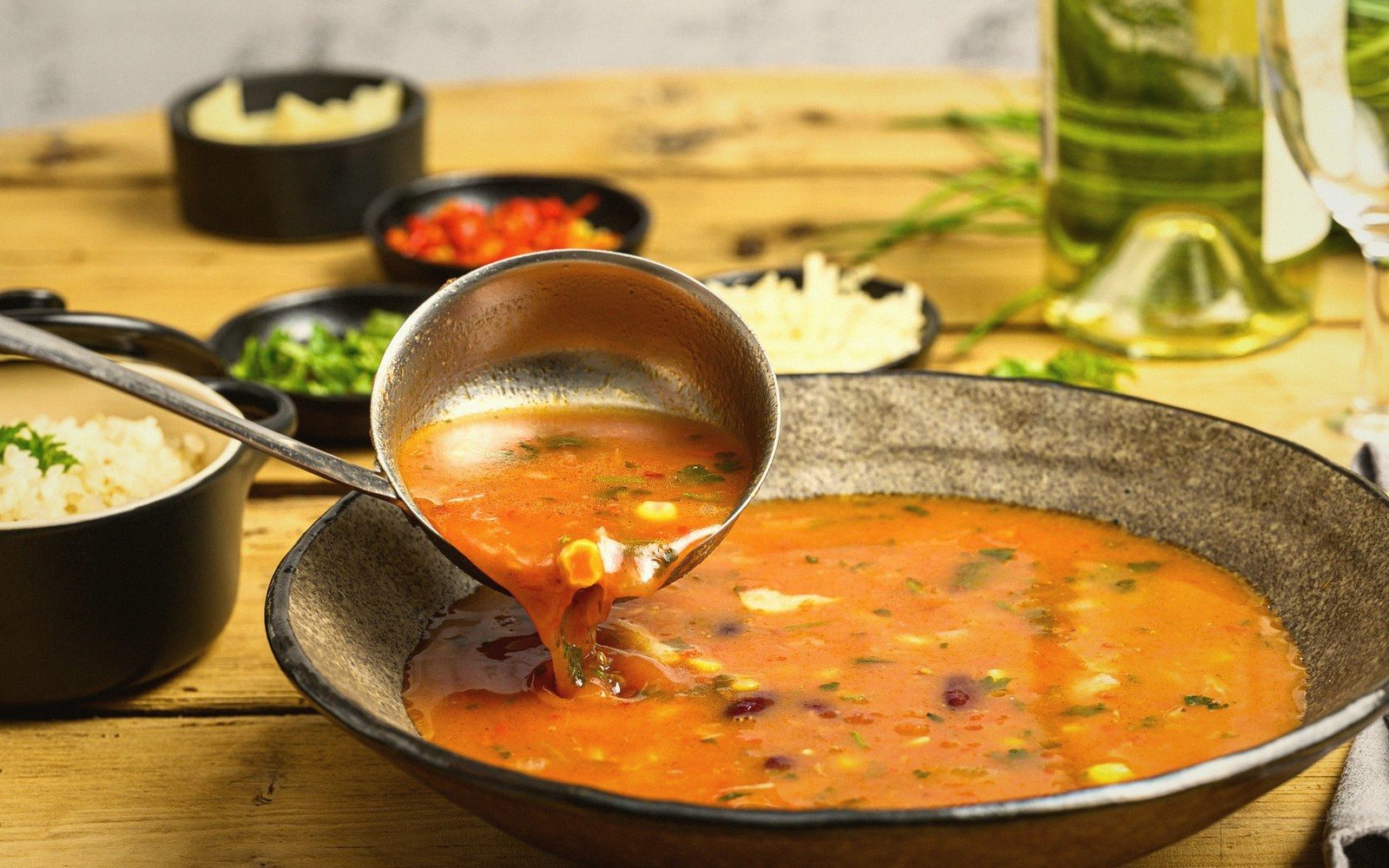
- Ladle into deep bowls. Finish each with a proper pour of your best olive oil, a shower of grated hard cheese, and a handful of torn herbs.
What to Swap, and When
No cavolo nero? Spinach wilts in at the very end (step 6). Savoy cabbage needs a little longer. Frozen peas need only a minute.
No tinned tomatoes? A few very ripe fresh ones in summer work beautifully; roasted cherry tomatoes stirred in are even better.
No pasta? A handful of small dried beans cooked from scratch will thicken the broth differently — or try a cooked farro or spelt for a pleasingly chewy pot. The grain guide covers the method if you're working with dried.
No stock? Water with a Parmesan rind and an extra slug of olive oil is a time-honoured workaround. Season generously.