The only rule that's lasted: half the plate in vegetables, a decent protein, a whole grain, a little fat. Everything else is noise.
Start with the half you keep forgetting
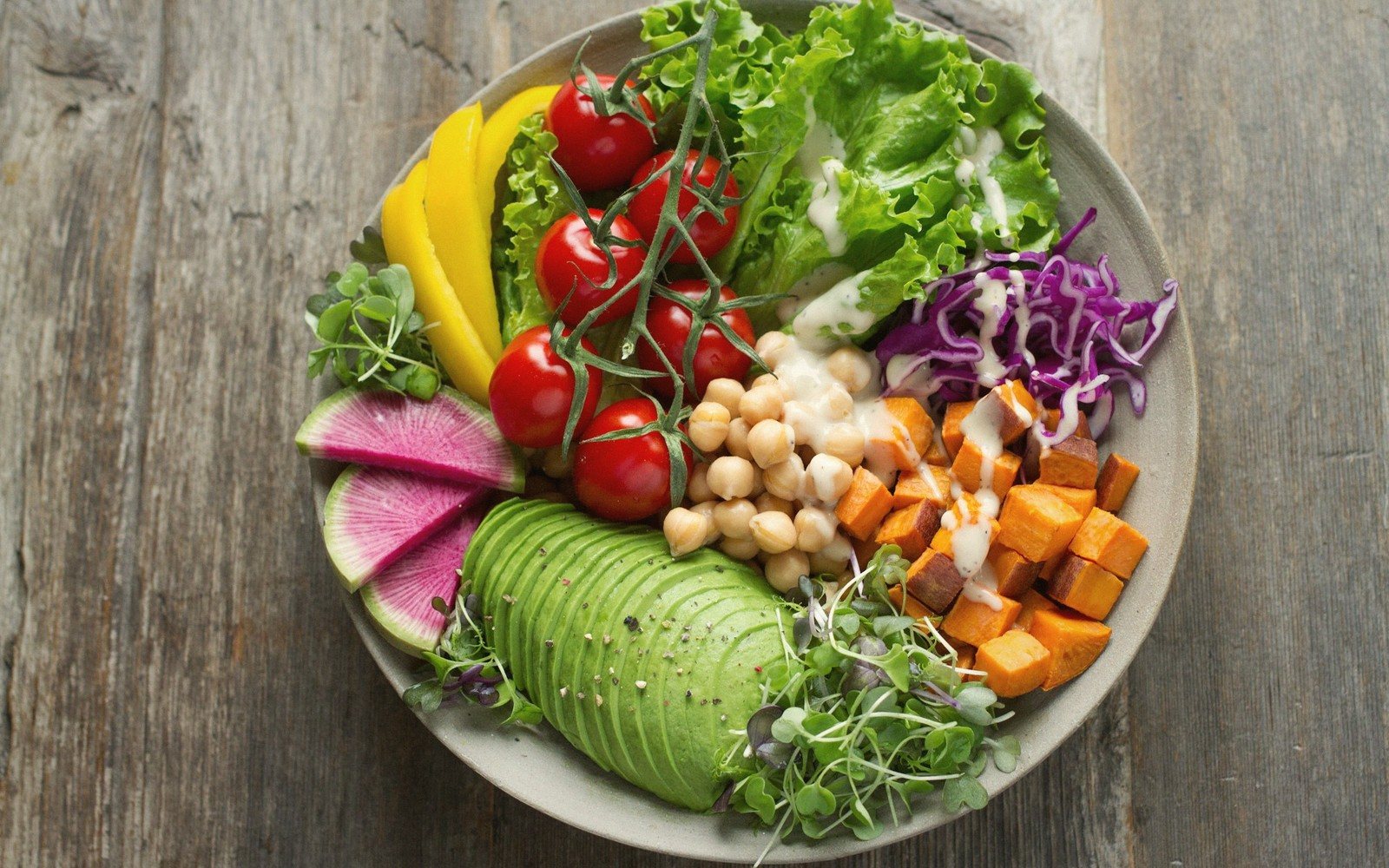
Most of us plate up backwards — cook the meat or pasta first, then look around for something green to add on the side. Flip that habit and most of the work is done. Fill half your plate with vegetables before you put anything else on it, and the rest more or less falls into proportion on its own.
This doesn't mean a sad pile of undressed steamed broccoli. It means roasted cauliflower that's gone golden at the edges, a tangle of wilted greens finished in garlic and olive oil, sliced cucumber and tomato with a pinch of salt, or a ladleful of something from a vegetable-forward soup. The form matters less than the volume and the seasoning. Vegetables that taste good get eaten; virtuous but joyless ones get pushed to the side of the plate and quietly resented.
Colour variety tends to track nutritional variety, so a mix of two or three different vegetables — rather than a mountain of one — is a reasonable instinct without needing to become a project.
The other half: protein and grain
Once vegetables have taken their half, divide the remaining space loosely between a protein and a whole grain or starchy vegetable. Neither needs to be elaborate.
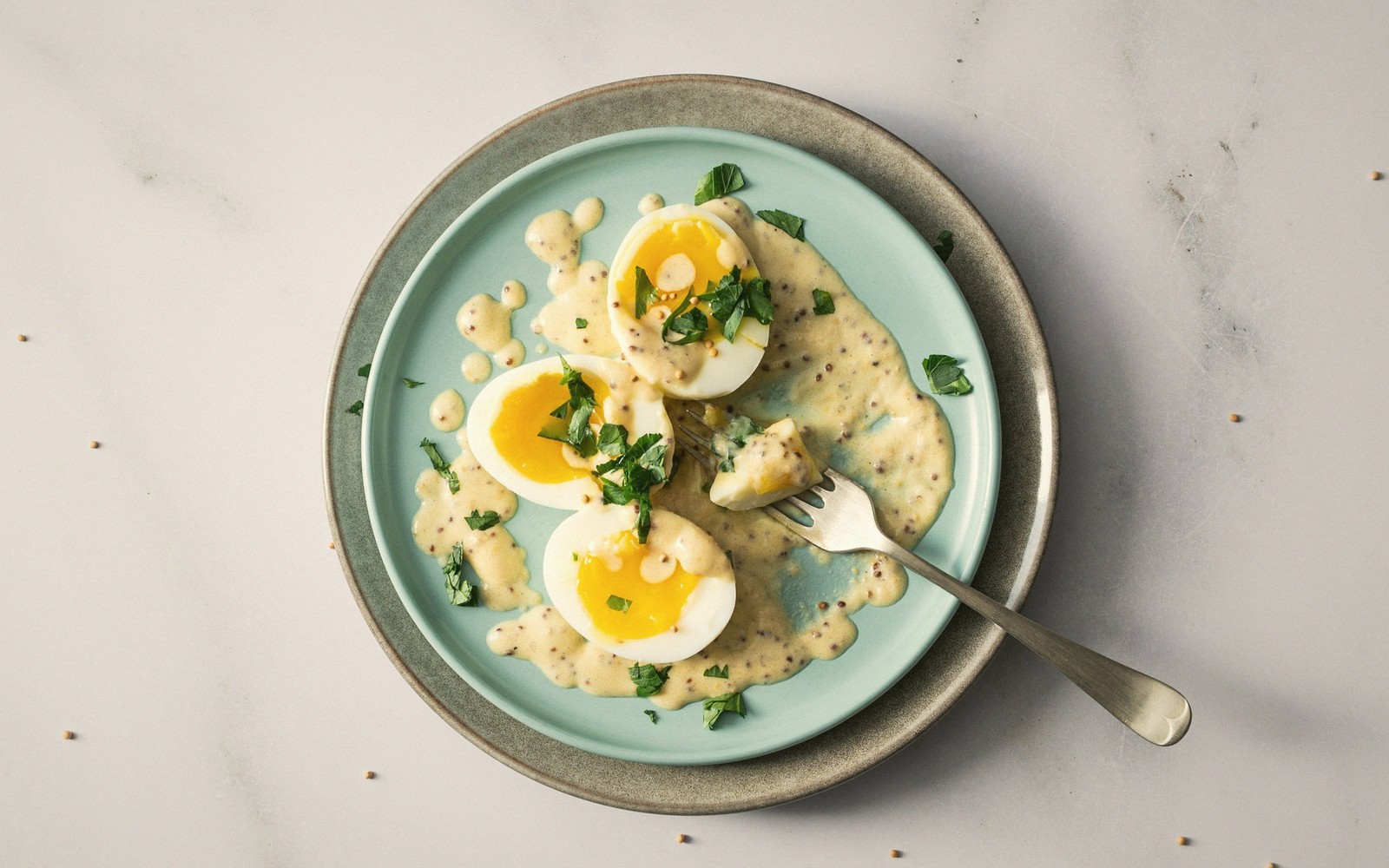
Protein can be eggs, fish, chicken, legumes, tofu, cheese, or good yoghurt on the side. The goal is something that will hold you through to the next meal — not a calculated number of grams, just a portion that feels real. A palm-sized piece of fish or chicken, a good scoop of lentils, two eggs, half a tin of chickpeas tossed into the pan with whatever else is happening: all of these work. Legumes do double duty here — they bring both protein and fibre, and they're cheaper and more satisfying than people expect once you've made the pantry habit.
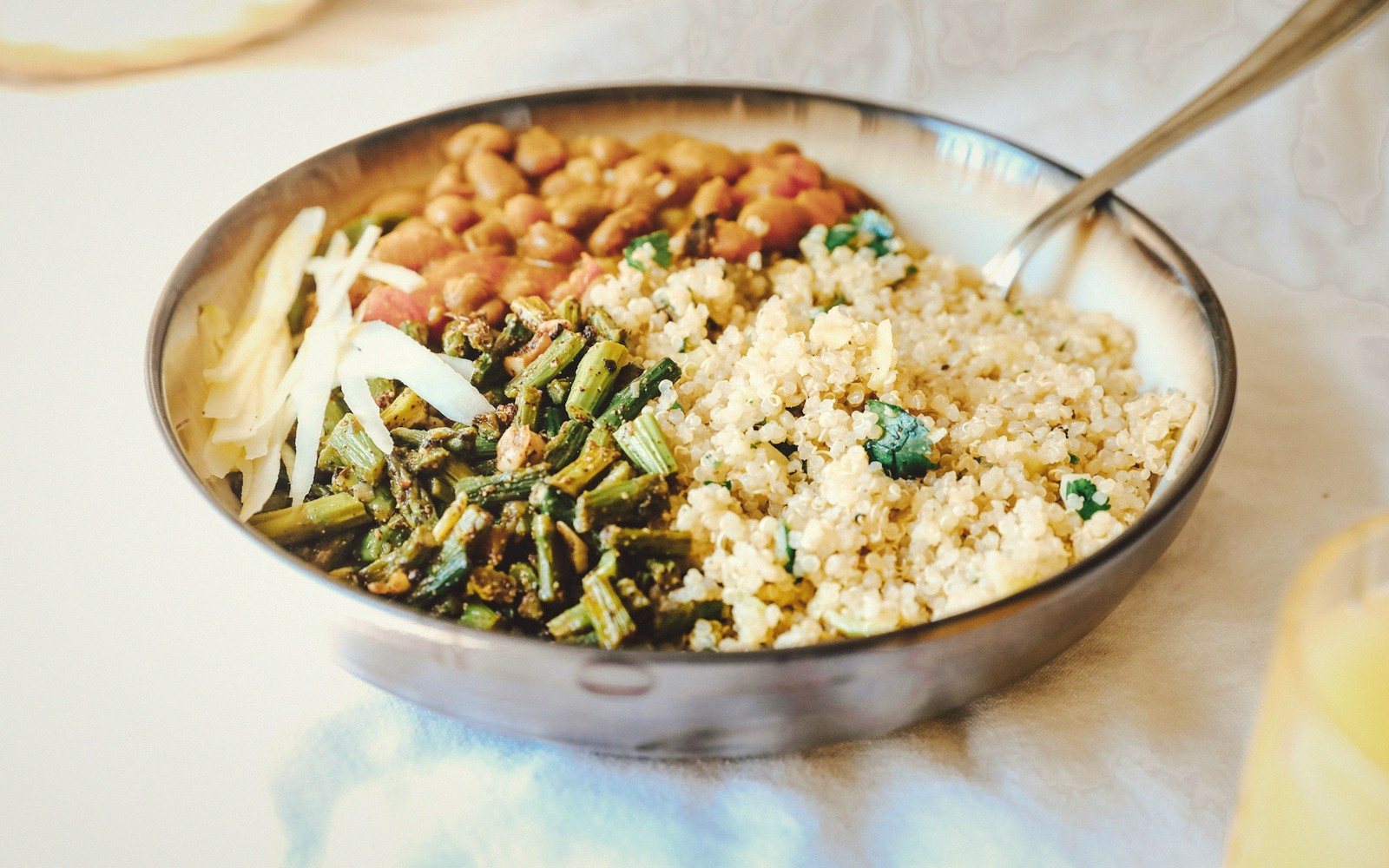
The grain quarter is where a lot of good flavour and texture lives. Brown rice, farro, spelt, barley, wholegrain bread, a baked sweet potato — these are the things that make the plate feel genuinely filling rather than just nutritionally correct. Cook a larger pot of grain at the start of the week and the decision is already made on tired evenings; it reheats well with a splash of water and a lid.
Fat is not the thing you cut
A little fat is what makes everything on the plate actually taste like food. It carries flavour, helps your body absorb certain nutrients, and makes you feel satisfied rather than like you've eaten cardboard and air. The practical version: dress your vegetables with olive oil or a knob of butter, add half an avocado, crumble over some feta, scatter toasted seeds, finish with a spoonful of tahini thinned with lemon. None of these are large quantities. All of them make a real difference to how the meal lands.
The instinct to reduce fat across the board — to dry-roast, to skip the dressing, to choose the leanest version of everything — tends to produce meals that are fine in theory and boring in practice, which is how people end up abandoning a way of eating by the third week. A good drizzle of olive oil on finished vegetables costs very little and returns a lot.
The only system that actually sticks
What makes this framework useful is that it travels — it works with a simple weeknight dinner, with a grain bowl thrown together from fridge odds and ends, with a restaurant menu, with what the market had on a Saturday. You don't need to track anything or follow a plan. You just look at your plate and ask whether the proportions are roughly there.
Not perfect, just consistently good — with meals you actually want to eat.
Some nights they won't be, and that's fine. A plate of pasta with a good sauce and a piece of fruit for dessert is a reasonable meal. A sandwich is a reasonable meal. The half-plate-of-veg idea is a rhythm to return to, not a rule to feel guilty about breaking.
Build the habit in the meals where it's easy — a weeknight bowl of roasted vegetables, a grain, some legumes — and the whole thing becomes automatic without ever feeling like a regime. That's the point: not perfect, just consistently good, with meals you actually want to eat.