The simplest food philosophy is the one you'll still be using in five years.
Why moderation outlasts every diet you've quit by February
There's a specific kind of January confidence — the clean fridge, the new rules, the feeling that this time the system will stick. And then February arrives. The rules were too many, too rigid, or too joyless, and the whole thing collapses into takeaway and mild guilt. Sound familiar?
The philosophy that actually lasts isn’t a diet. It’s closer to a disposition.
Here's the thing: the food philosophy that actually lasts isn't a diet. It's closer to a disposition. Eat mostly whole ingredients, plenty of vegetables, a reasonable amount of everything else, and stop treating occasional pleasure as a moral failure. That's it. No points, no phases, no foods that are permanently off the table.
'Everything in moderation' gets dismissed as vague advice — but vague might be exactly the point. Rigid systems tend to fall apart the moment real life intervenes: a birthday cake, a long flight, a week when you're too tired to cook properly. A flexible approach bends without breaking. You eat well most of the time, imperfectly some of the time, and you don't lose the thread.
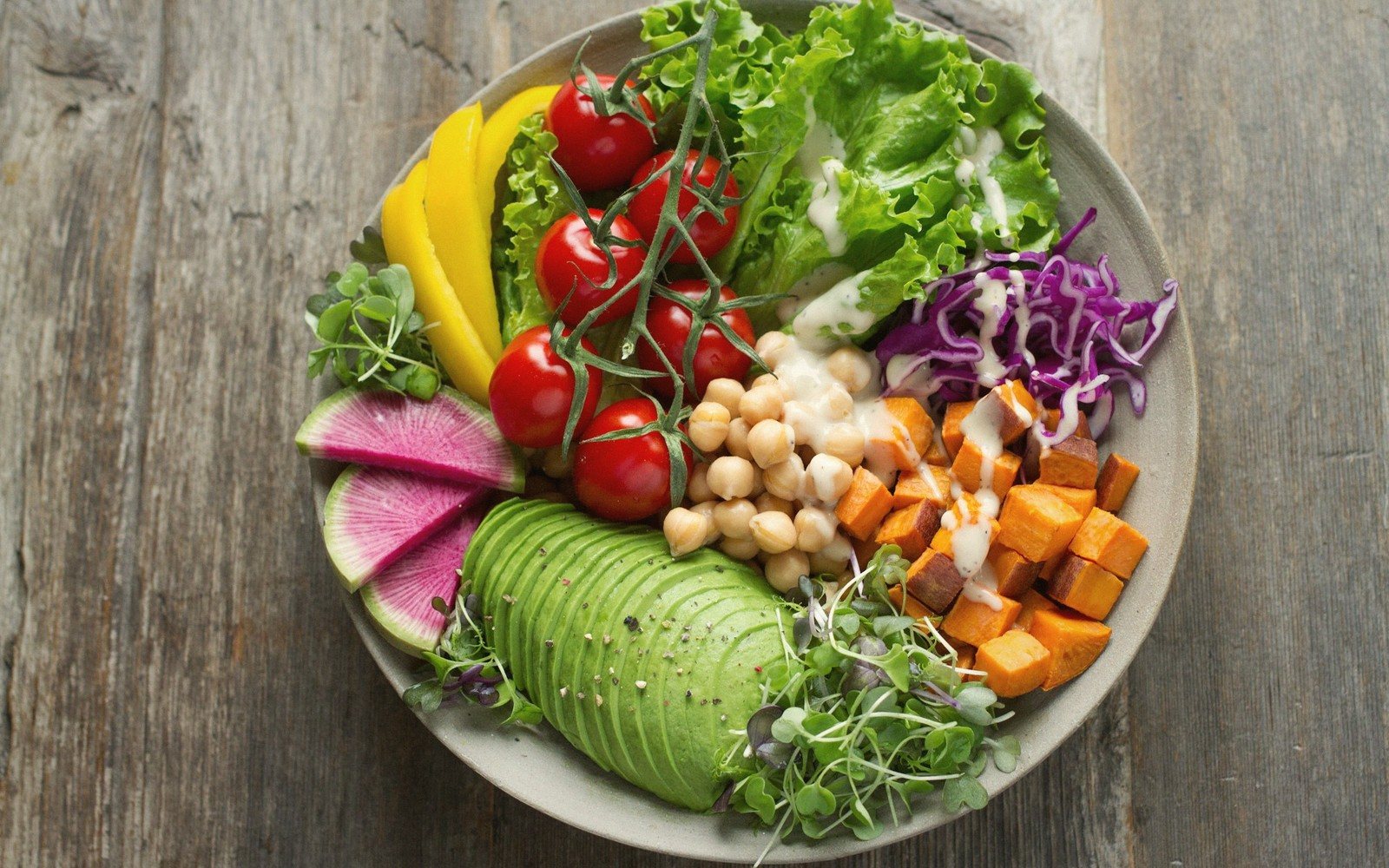
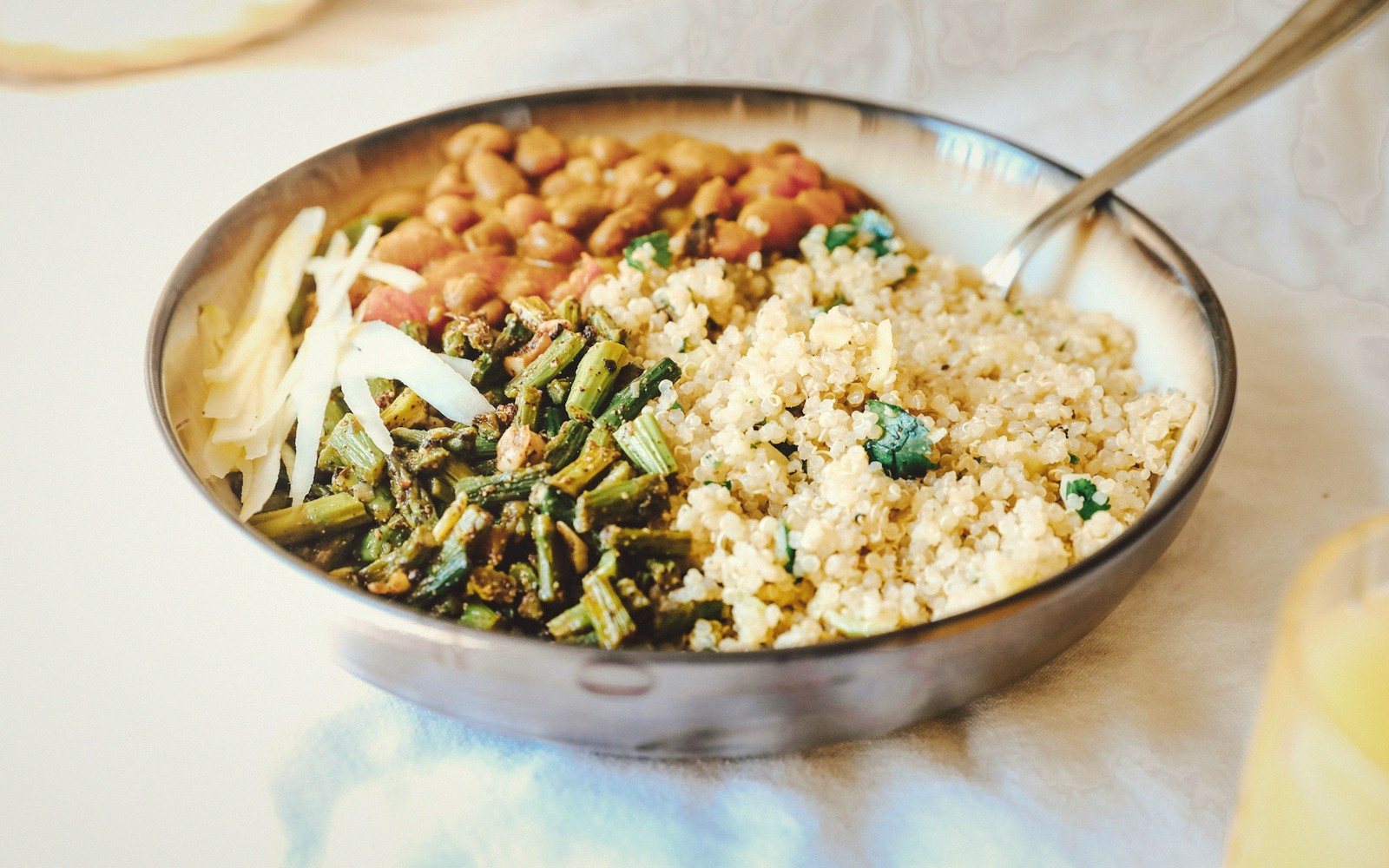
What does 'eating well most of the time' actually look like in practice? It looks like a fridge that has something green in it most days. It looks like knowing how to build a balanced plate without weighing anything or consulting an app — roughly half the plate in vegetables, a protein you enjoy, a whole grain or good carb, a little fat to carry the flavour. It looks like cooking at home more often than not, not because restaurants are bad but because home cooking gives you control over ingredients with almost no effort once you're in the habit.
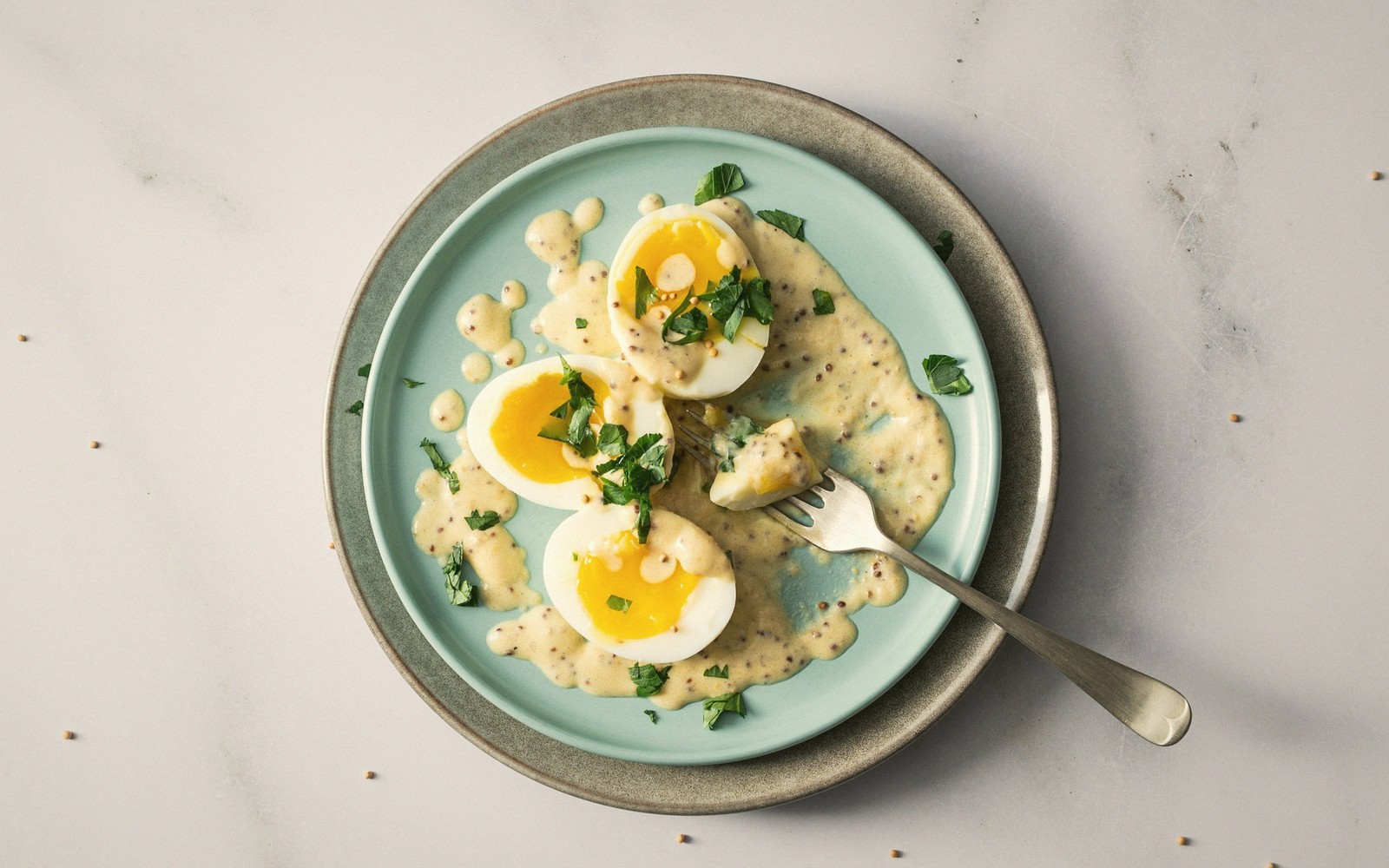
It also means letting go of the foods that have been called unhealthy, then quietly rehabilitated, then demonised again. Eggs, full-fat dairy, legumes, potatoes — the research on most of these has settled considerably. Real, whole foods, eaten in reasonable amounts, tend to serve people well. Highly processed foods, eaten constantly, tend not to. That distinction is far more useful than any list of banned items.
The other thing moderation does is make food enjoyable again. When nothing is forbidden, nothing carries the weight of transgression. A piece of good chocolate after dinner is just a piece of chocolate, not a relapse. That mental ease matters — many people find that a low-stress relationship with food is one they can maintain for decades, not just until March.
Spend your energy on cooking more, wasting less, eating with some attention, and choosing whole ingredients when you have the choice. The rest tends to take care of itself.