Two bottles, two jobs — and a clear reason why the price difference is real.
One for the pan, one for the plate
Olive oil splits cleanly into two categories, and understanding them saves you money while actually improving how your food tastes.
The first is your everyday cooking oil — for sautéing onions, roasting vegetables, frying eggs. It gets hot, it gets buried under other flavours, and any delicacy it once had disappears before the food reaches the plate. Pure olive oil or light olive oil (sometimes labelled "olive oil" with no other qualifier) handles heat decently and costs far less than the good stuff. Use it freely and don't feel bad about it.
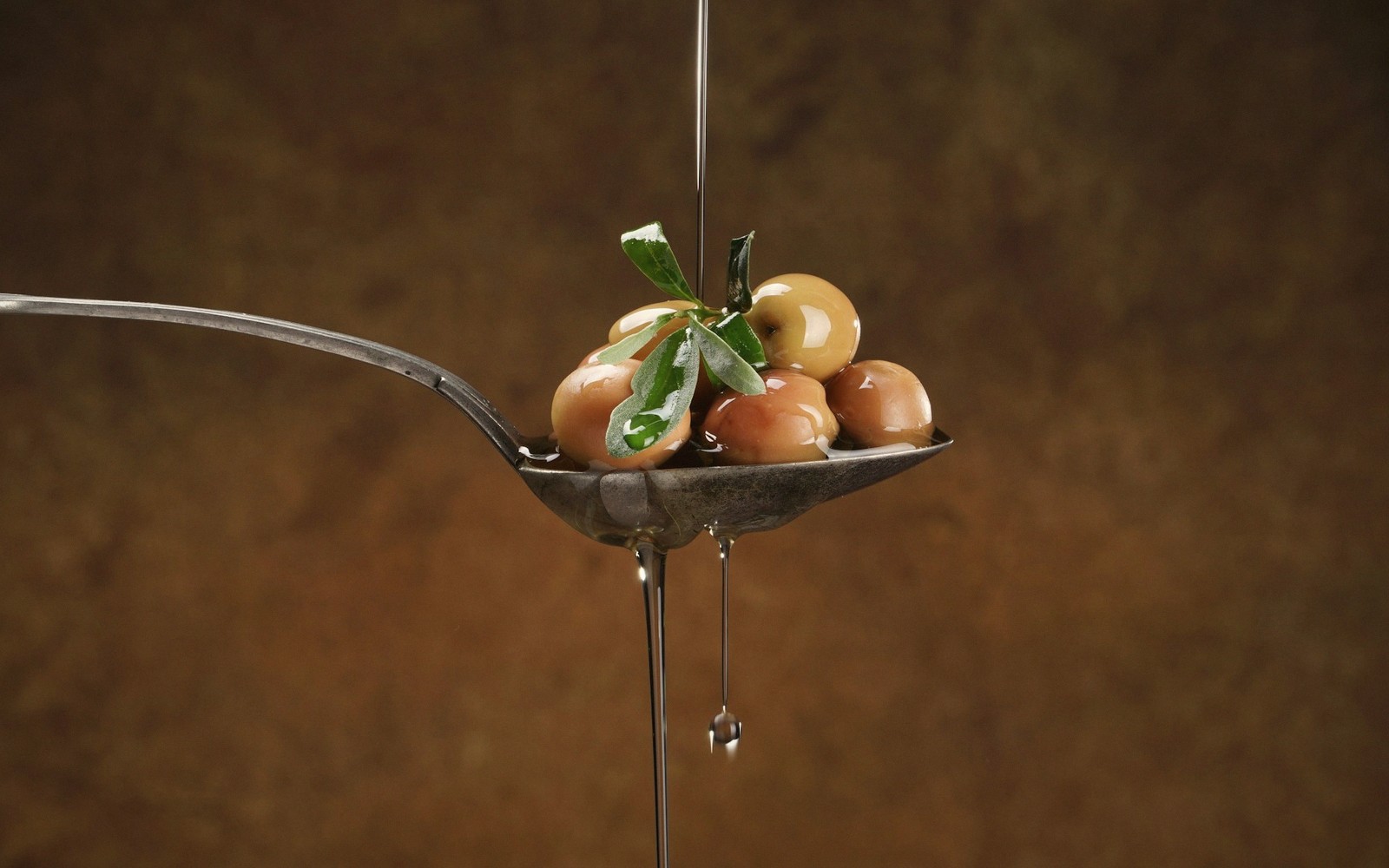
The second is extra virgin olive oil, and this is where the money genuinely matters. Extra virgin means the oil was cold-pressed from fresh olives without heat or chemical refining — it's essentially fresh fruit juice, and it shows. It has flavour: grassy, peppery, sometimes a little bitter at the back of the throat (that peppery catch is a sign of high polyphenol content, which tends to correlate with quality). This is the oil you drizzle over finished soup, swipe through with bread, dress a salad with, or spoon over burrata. Heat dulls it. Don't waste it in the pan.
| For the pan | For the plate | |
|---|---|---|
| The job | sauté, roast, fry | drizzle, dress, finish |
| Flavour | neutral — it disappears under heat | grassy, peppery, alive |
| Price | keep it cheap, use it freely | worth paying for |
| Buy by | any reliable label | the harvest date on the bottle |
When buying extra virgin, look for a harvest date rather than just a best-before. Olive oil doesn't improve with age — it fades. Fresher is better, and anything over 18 months from harvest is already past its best. Good producers, particularly from southern Italy, Greece, Spain and Portugal, print the harvest date clearly because they're proud of it. Single-origin bottles cost more than blends, and usually for good reason: you can taste where it came from.
Supermarket own-label extra virgin varies wildly. Some are genuinely fine; others are blended, old, or mislabelled — EU regulations have tightened in recent years, but quality still slips through. If a bottle is very cheap and smells faintly of nothing, that's your answer.
Stored properly — cool, dark, away from the hob — a good extra virgin holds well for a few months after opening. Buying a litre at a time from a supplier you trust tends to work out better value than a small bottle from the supermarket shelf.
So: one larger, cheaper bottle for cooking; one smaller, well-sourced extra virgin for finishing. The total cost is roughly the same as buying one expensive bottle and using it indiscriminately. The food tastes noticeably better, and you'll stop feeling vaguely guilty every time you heat the pan.