The rehabilitated list
Food advice has a long memory, and most of us are still cooking around fears that science quietly moved on from years ago. Eggs got demonised, fat was the enemy, coffee was a vice. Some of that caution turns out to have been premature, driven by early studies that didn't hold up under longer scrutiny. Here are seven ingredients that earned an unfair reputation — and why they're worth welcoming back to the table.
The ingredient was fine; the problem was the processing, the quantity, or what it was cooked in.
Eggs. For decades, dietary cholesterol was treated as a straight road to cardiovascular trouble, and eggs took most of the blame. Research over the past twenty years has shifted that picture considerably. For most people, dietary cholesterol has a far smaller effect on blood cholesterol than saturated fat does, and eggs bring genuine nutritional density — protein, choline, fat-soluble vitamins — in a very compact package. Fry them in good oil, eat them most mornings if you like.
Full-fat dairy. The low-fat era — which ran hard through the 1980s and 1990s — left a generation suspicious of whole milk, butter and full-fat yoghurt. What often replaced the fat in reduced-fat products was sugar or starch, which didn't exactly improve things. Full-fat dairy tends to be more satisfying, which many people find helps them eat less overall. A spoonful of proper crème fraîche in a sauce is not the problem it was made out to be.
Coffee. Once linked in popular health writing to everything from hypertension to stunted growth, coffee has been studied extensively and the picture is more reassuring than alarming. Moderate consumption — broadly understood as two to four cups a day for most adults — is associated in large observational studies with no meaningful harm and some possible benefits. Drink it because you love it; that's reason enough.
Dark chocolate. The cocoa bean is genuinely rich in flavanols, compounds that have been the subject of serious cardiovascular research. The catch is the usual one: processing strips out a lot of those compounds, and added sugar means the net effect depends heavily on the chocolate itself. High-cocoa dark chocolate — 70 per cent and above — is the version worth eating. A square or two is not a guilty pleasure; it's just food.
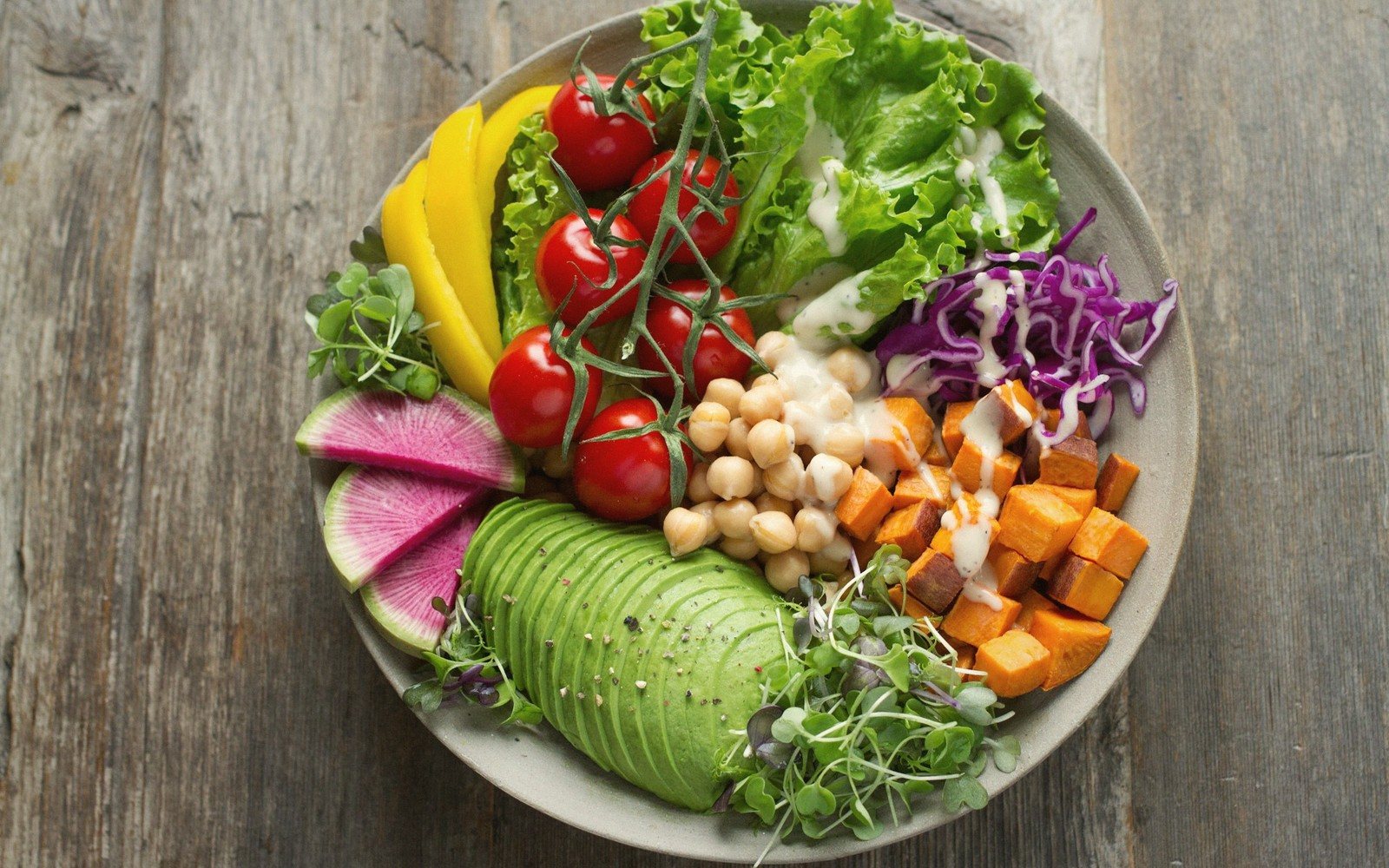
Avocado. The fat-phobia of the late twentieth century briefly made avocados suspect, despite the fact that the fat they contain is predominantly monounsaturated — the same broad category as olive oil. That reputation has more than reversed, though the current enthusiasm occasionally tips into hype. An avocado is simply a good, filling, versatile ingredient. Eat it as such.
Potatoes. Maligned throughout the low-carbohydrate movement, the plain potato is actually a solid source of potassium, vitamin C and resistant starch (particularly once cooked and cooled). The trouble was always the preparation — deep-frying, heavy cream, industrial processing — not the vegetable itself. Roasted with olive oil, or boiled and left to cool for a grain-style bowl, a potato earns its place at the table.
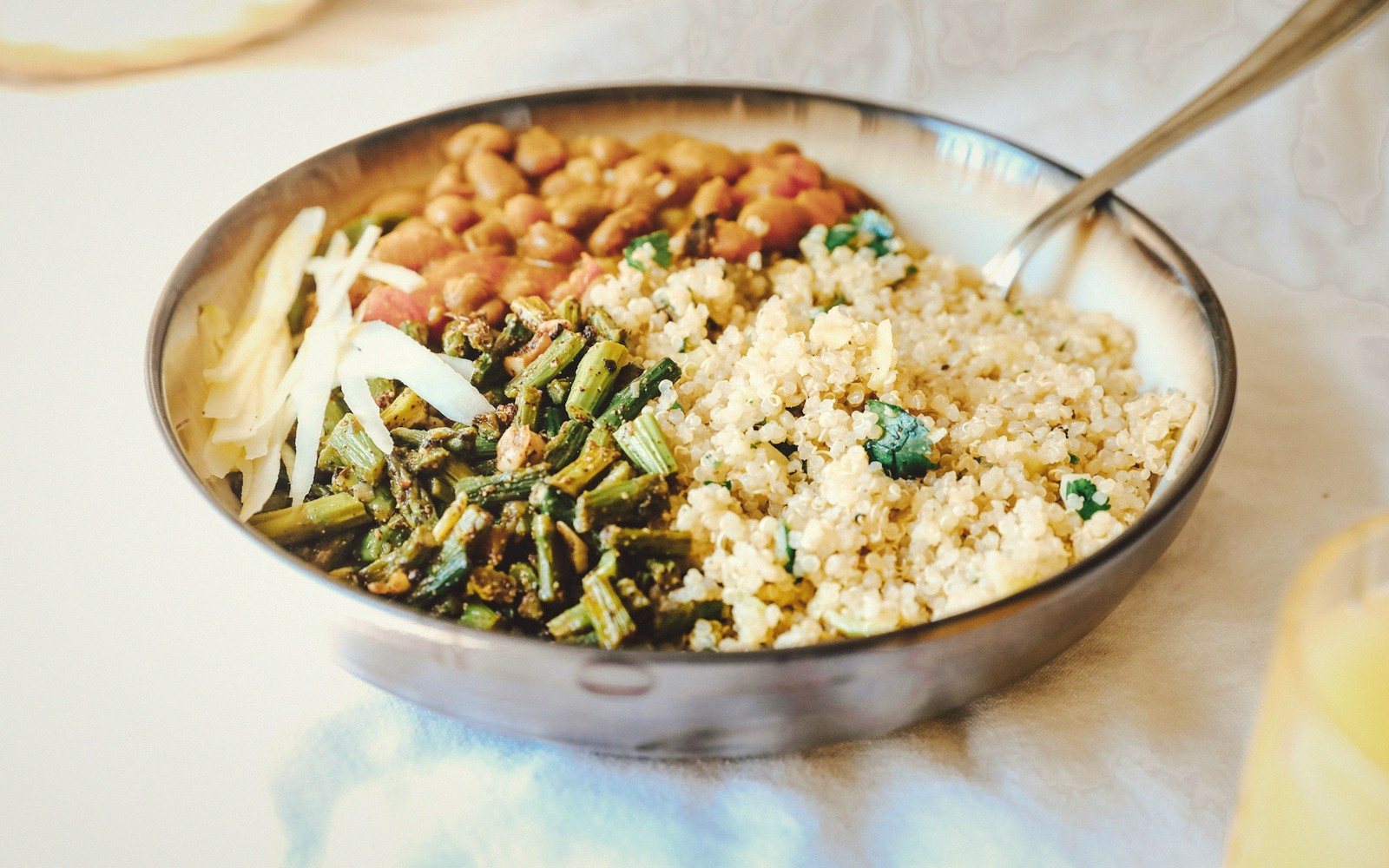
Legumes. Beans and lentils were quietly sidelined during the peak years of low-carb and then paleo eating, classified alongside refined grains on the basis of carbohydrate content alone. In reality, they're one of the most nutritionally complete plant foods available — high in both protein and fibre, slow-digesting, and extremely cheap. They have a strong track record in the diets of the longest-lived populations studied.
The thread running through almost all of these is the same: the ingredient was fine; the problem was usually ultra-processing, excess quantity, or what it was cooked in. Whole food, simply prepared, ages well — both on the plate and in the research.