Eight honest ways through a mountain of tomatoes — raw, roasted, preserved, and packed into the freezer.
Start With the Best Ones, Then Work Down
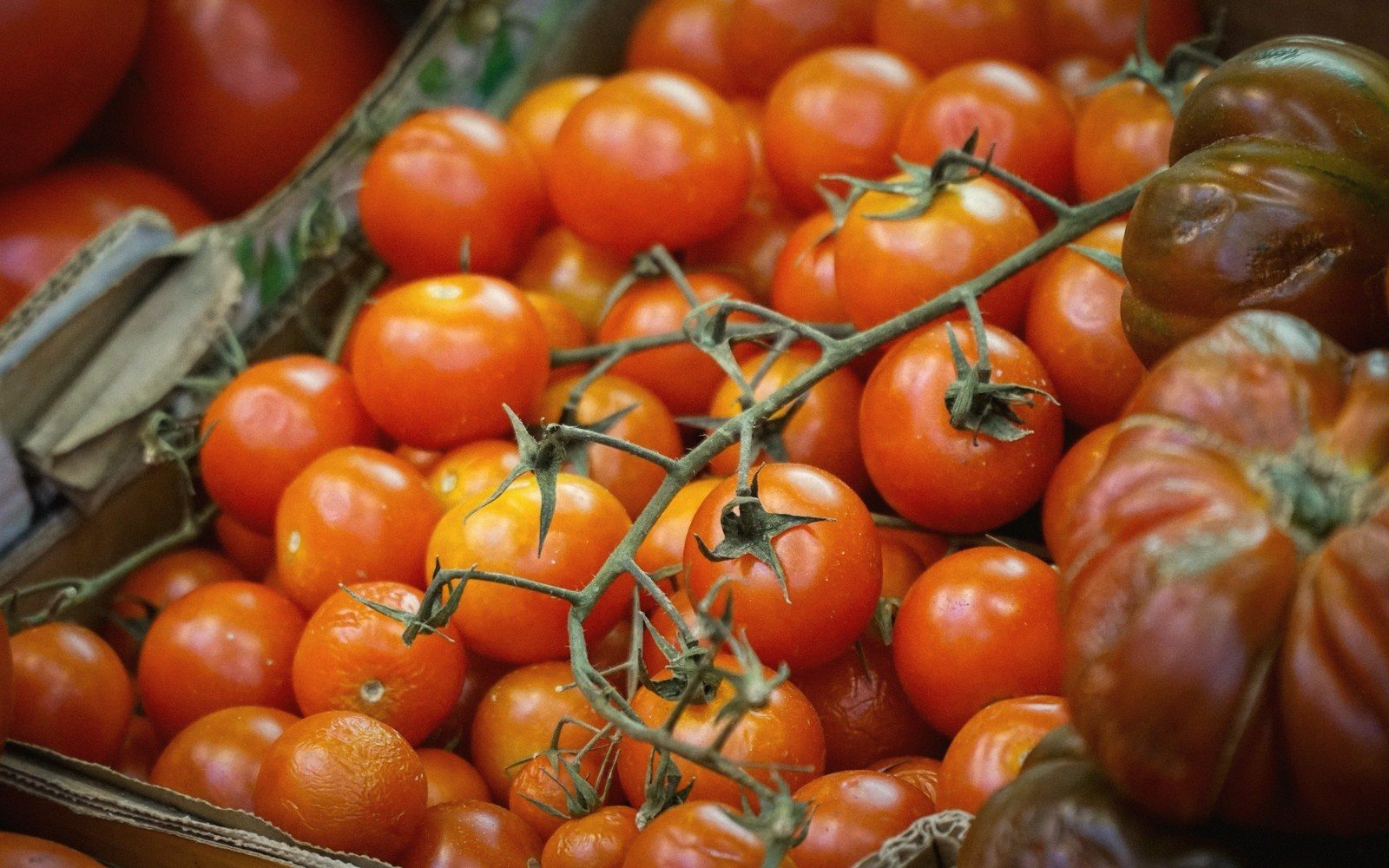
A glut arrives all at once. One week the vine is stingy; the next, every surface in the kitchen is covered in tomatoes at varying stages of ripeness, and you're wondering whether the neighbors have noticed you leaving bags on their doorstep. The answer isn't panic — it's a loose hierarchy. Work from most perfect to most imperfect, and nothing is wasted.
The best tomatoes — firm, fragrant, warm from the garden — need almost nothing done to them. Slice them thick, hit them with good salt, and eat them with bread and olive oil. That's a meal, not a side dish. Let them sit for five minutes after salting: the juices pool in the bowl and become something worth mopping up. If you have a ripe peach and half a red onion, slice both in and call it a summer salad worth remembering.
Once the first flush of raw eating is done, start cooking. The tomatoes that are softer, splitting, or beginning to wrinkle are, counterintuitively, the best ones for heat. Their sugars are more concentrated, their skins already loosened. They'll give you better sauce, better roasts, better everything — as long as you move quickly.
Eight Ways Through the Mountain
1. Slow-roast them. This is the move that converts skeptics. Halve your tomatoes, lay them cut-side up on a baking sheet, drizzle with olive oil, scatter over a little thyme and a pinch of sugar if they're on the sharp side, and put them in a low oven — around 140–150 °C (fan) — for two to three hours. They shrink, intensify, and turn jammy at the edges. Slow-roasted tomatoes on toast is the laziest, most satisfying thing you can do with a Saturday morning glut. The roasted tomatoes also keep in the fridge under a layer of olive oil for up to a week, and they go into pasta, onto flatbread, inside omelettes, stirred through white beans.
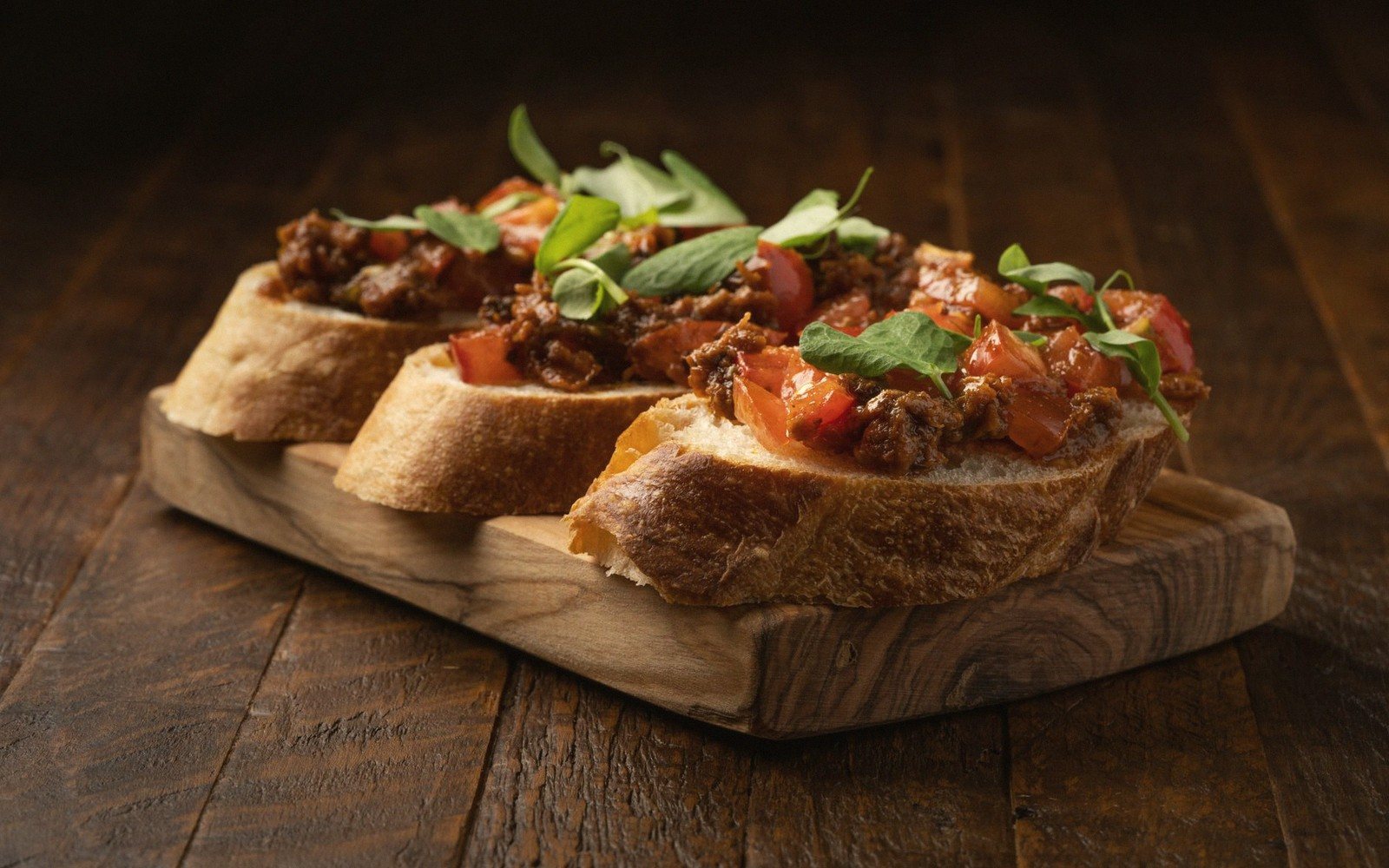
2. Make a rough sauce and freeze it. This is your long-game move. Roughly chop two kilos of tomatoes — no need to peel or deseed — and cook them down in a wide pan with a little oil, a few crushed garlic cloves, and salt. Low heat, lid off, forty-five minutes to an hour. Push through a sieve or a food mill if you want something smooth; leave it rough if you prefer texture. Freeze in 300–400 ml portions. Labelled and stacked, that's February pasta sorted.
3. Roast them whole for a silky soup. Whole roasting is even less effort than halving. Tumble small or medium tomatoes onto a tray with a halved bulb of garlic, a quartered onion, and a good slug of oil. Roast at 190 °C for thirty-five to forty minutes until everything is soft and catching at the edges. Squeeze out the garlic, tip the lot into a blender, season, and add a splash of water or stock to loosen. This is the soup that tastes like it took far more work than it did.
4. Make a quick-pickled cherry tomato jar. For the cherry tomatoes you can't cook fast enough, a quick pickle buys you two to three weeks. Pack them into a sterilised jar — prick each one with a skewer so the brine can get in — and pour over a warm pickling liquid of half white wine vinegar, half water, a teaspoon of sugar, a pinch of salt, and any aromatics you like (peppercorns, a dried chilli, a sprig of tarragon). Seal and refrigerate once cool. They're brilliant in a cheese sandwich or alongside cured fish.
5. Make a proper tomato salad and don't apologise for it. Once or twice a week through August and September, a tomato salad should be the centrepiece, not a garnish. Vary the style: one night, sliced beef tomatoes with anchovy and basil; the next, cherry tomatoes halved and tossed with torn bread, cucumber, red onion, and red wine vinegar for a rough panzanella. The bread soaks up the juices and the whole thing becomes greater than the sum of its parts. Don't refrigerate your tomatoes — cold dulls both their flavour and their texture. Room temperature, always.
Work from most perfect to most imperfect, and nothing is wasted.
6. Cook down a concentrated paste. Passata is thin. Paste is the good stuff. Take your softest tomatoes, cook them down as you would for sauce, then keep going — over a low heat, stirring regularly — until the mixture is thick, deep red, and has reduced by about two thirds. Spread it into a baking dish and put it in the oven at 150 °C for another hour, stirring occasionally, until it's the texture of soft clay and almost maroon. Pack into small jars, cover with a thin film of oil, and refrigerate. A tablespoon into a braise or stew adds depth that no tin can match.
7. Try a raw sauce — the one that needs no cooking at all. In the height of summer, when the tomatoes are at their most flavourful and the kitchen is already warm, concasse is your friend. Dice ripe tomatoes finely, discard the watery seed gel if you want (keep it if you don't mind the extra liquid), and mix with minced garlic, torn basil, olive oil, salt, and a small splash of red wine vinegar. Toss through hot pasta straight from the pot: the heat of the pasta and the pasta water is all the cooking this sauce needs. The result is bright, fresh, and genuinely summer on a plate.
8. Freeze them raw — the absolute minimum-effort option. When you're truly overwhelmed and don't have time to cook anything down, simply core ripe tomatoes and freeze them whole on a tray, then transfer to freezer bags. Frozen tomatoes are not for eating raw — the cell structure collapses on thawing — but they're perfectly good for sauces, soups, and braises. The skins slip off as they thaw, which is a small bonus. They'll keep for up to six months. Write the date on the bag. You'll thank yourself in January.
| The move | Your effort | It keeps |
|---|---|---|
| Slow-roast | 2–3 hrs, mostly idle | 1 week under oil |
| Rough sauce, frozen | about 1 hr | months, bagged flat |
| Whole-roast soup | 40 min + a blender | 3 days chilled |
| Quick-pickled cherries | 20 min | 2–3 weeks sealed |
| A proper salad | 10 min | eat it now |
| Concentrated paste | an afternoon, low heat | weeks under oil |
| Raw concasse sauce | 15 min, no cooking | eat it now |
| Freeze them raw | 10 min | 6 months |
The Rule Underneath All of This
Tomatoes are generous — they forgive imprecision, reward patience, and improve almost every savoury thing they touch. The only real mistake is leaving them in the fridge to lose their flavour, or letting a soft batch slide past the point where it could become a good sauce. Work through them daily if you can: a handful into breakfast eggs, a few slow-roasted alongside dinner, a pot of sauce on a Sunday. The mountain shrinks faster than you think.
If you find your weeknight cooking drifting toward whatever's in the pot anyway, the market minestrone is built exactly for moments like this — another place to put a good tomato (or five) to honest use.